 20
20 Learn which BDSM gear beginners actually need, what equipment can wait, and how consent, communication, safety and proper care shape a better start.
Shopping for beginner BDSM gear can get expensive quickly. One minute you are looking for a simple pair of cuffs, and the next your cart contains chains, complicated harnesses and enough rope to secure a small boat.
You do not need a full dungeon to get started. Good beginner BDSM advice should place consent, communication and basic safety ahead of buying more equipment. A small collection of simple items is usually easier to control, clean and use correctly.
Start by talking about the kind of scene you both want. Someone interested in light restraint and sensory play does not need the same equipment as a person interested in impact play or strict power exchange.
Discuss limits, health concerns, previous experience and anything that is completely off the table. Consent to one activity does not cover every other activity. It can also be withdrawn at any time, including after a scene has started.
Choose a clear stop word and a separate word meaning “slow down” or “check in.” If speech may be difficult, agree on a physical signal that can be given easily. The signal should not depend on a restrained hand or another body part that may be difficult to move.
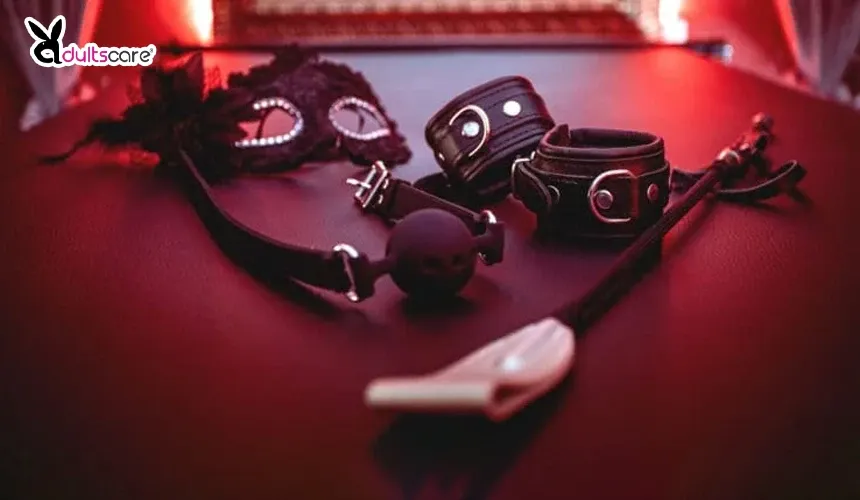
A basic kit only needs a few items. Soft adjustable cuffs are easier for beginners than rigid metal handcuffs because they are less likely to pinch the skin. A simple blindfold can add sensory play without requiring complicated equipment.
A soft paddle may suit people interested in light impact play. Choose something easy to control rather than starting with a heavy implement designed for stronger impact. A clean towel, water, keys and safety shears may not look exciting, but they are far more important than another decorative accessory.
A practical first kit could include:
You can add other gear later after learning which activities you both enjoy. Buying ten items before using one usually results in wasted money and a drawer full of mystery straps.
Restraints should be adjustable, comfortable and easy to release. Check the stitching, buckles, clips and release mechanism before each use. Keep keys within reach and never rely on only one release method.
Metal handcuffs may look simple, but they can pinch, tighten unexpectedly and place pressure on a small area. Soft cuffs spread pressure more evenly and are generally easier for beginners to monitor.
Watch the restrained person’s hands and feet for changes in colour, temperature or feeling. Remove the restraint immediately if there is numbness, coldness, tingling, unusual swelling, discolouration or pain. Never leave a restrained person alone, even for a short time.
| Item | Beginner Suitability | What to Check |
|---|---|---|
| Soft cuffs | Good starting choice | Adjustable fit, strong stitching and quick release |
| Blindfold | Good for simple sensory play | Comfortable fit without pressure on the eyes |
| Soft paddle | Suitable with light, controlled use | Easy grip, manageable weight and smooth edges |
| Bondage tape | Can be beginner-friendly | Use tape made for bondage that does not stick directly to skin |
| Metal handcuffs | Less forgiving for beginners | Pinching, pressure points, keys and locking mechanism |
| Bondage rope | Requires education and practice | Material, placement, circulation and fast removal |
| Suspension equipment | Not suitable for untrained beginners | Requires specialist training, suitable hardware and risk planning |
Complicated equipment can wait. Suspension gear, rigid spreader bars, heavy impact implements and advanced rope systems require more knowledge than a basic pair of cuffs. Buying them does not provide the training needed to use them safely.
Beginners should also avoid equipment that limits breathing or makes communication difficult. Gags can interfere with speech and require a clear non-verbal stop signal. Anything involving neck pressure or breath restriction carries serious risk and is not suitable as a casual first activity.
Cheap kits containing fifteen or twenty pieces are not always good value. They often include weak clips, rough stitching, uncomfortable materials and several items you may never use. One well-made pair of cuffs is usually a better purchase than a bag of questionable gear.
The most important equipment may be the gear you hope never to use. Safety shears can cut rope, fabric or some restraints quickly. Keys should remain in the room and within reach rather than sitting in a drawer across the house.
Reliable beginner BDSM advice should also explain warning signs instead of focusing only on equipment. Numbness, cold skin, colour changes, unexpected pain or panic mean the activity should stop and the restraint should be removed.
Do not start a scene while either person is too affected by alcohol or drugs to communicate clearly. Consent requires a person to understand what is happening, make decisions and change their mind.
Aftercare should be discussed before the scene rather than guessed afterwards. Some people want water, warmth and close contact. Others prefer quiet time and personal space. Neither response is wrong, but partners should know what support is expected.
Cleaning instructions depend on the material. Silicone, stainless steel and some plastics can usually be cleaned more thoroughly than leather, rope or fabric. Follow the manufacturer’s instructions and avoid soaking products that contain metal hardware, electronics or materials that may be damaged by water.
Allow everything to dry completely before storage. Damp fabric, rope and leather can develop smells or surface damage. Store cuffs, blindfolds and impact toys separately so buckles or rough hardware do not scrape softer materials.
Inspect gear before each use. Check for loose stitching, cracked clips, damaged rope, sharp edges and weak attachment points. Retire anything that cannot be repaired safely.
Your first kit does not need to cover every possible activity. Start with one or two items, learn how they work and talk about the experience afterwards. That conversation will tell you more about what to buy next than any oversized starter bundle.
If the blindfold was exciting but the cuffs felt distracting, your next purchase might focus on sensory play rather than stronger restraints. If a soft paddle felt too mild, learn more about impact play before moving to a heavier option.
Buying slowly also gives you time to judge quality. You will learn which materials, closures and designs feel comfortable instead of repeating the same purchasing mistake across an entire collection.
Beginner BDSM gear should make communication and control easier, not create extra risk. Soft cuffs, a comfortable blindfold, a manageable paddle and basic safety tools are enough for many first experiences.
Consent, preparation and honest feedback matter more than the size of the collection. Start with simple equipment, stop if something feels wrong and add new gear only after learning how to use it properly.
Soft adjustable cuffs and a comfortable blindfold are common starting choices. People interested in light impact play may also add a soft paddle. Safety shears and a reliable release method should be included whenever restraints are used.
Metal handcuffs are less forgiving than soft cuffs. They can pinch, create pressure points and become painful if the person moves suddenly. Soft adjustable cuffs are usually easier for beginners to fit and monitor.
A clear stop word is useful because it removes doubt during a scene. Partners can also choose a separate word meaning slow down or check in. A physical stop signal is needed if speech may become difficult.
Untrained beginners should avoid suspension equipment, breath restriction, neck restraints, complicated rope work and heavy impact tools. These activities require more knowledge, planning and risk control than basic bedroom restraint.
Follow the cleaning instructions for each material. Wash or wipe the item as directed, allow it to dry completely and inspect it for damage before storage. Leather, rope, fabric and electronic products may require different care.
 Feb 02,2018
  Feb 02,2018

You must be 22 years of age or older to enter